
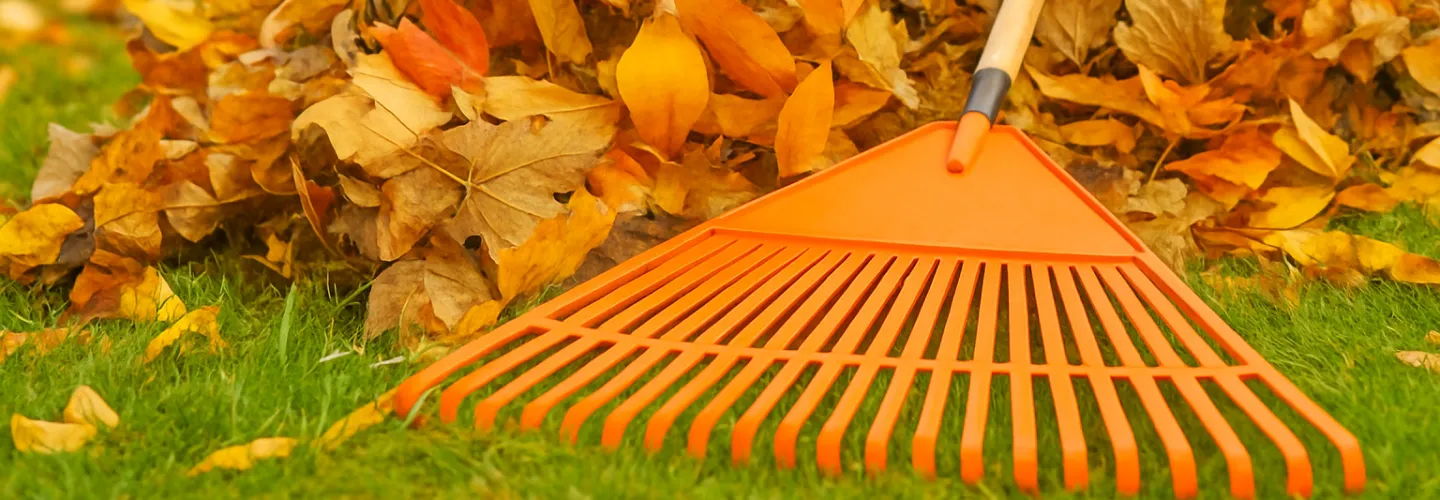
Liberty Flower Bed Maintenance Services
Choose our Flower Bed Maintenance for expert care, vibrant blooms, and a weed-free garden—so you can enjoy a beautiful, healthy landscape without the hassle.
Get a Free QuoteOur Liberty Landscaping & Yard Care Services
When to Schedule Flower Bed Maintenance in Liberty , Ohio – Seasonal Guide
In Liberty, Ohio, the timing of flower bed maintenance is closely tied to our region’s unique climate and landscape features. With spring frosts often lingering into late April and humid summers that can bring both lush growth and the risk of fungal issues, it’s important to plan maintenance around these local patterns. Neighborhoods near Liberty Park and the shaded streets of Churchill Estates, for example, may experience different microclimates that affect when and how often beds should be tended.
Early spring is ideal for cleaning up beds, dividing perennials, and applying fresh mulch, while late summer and early fall are best for preparing beds for winter and planting hardy bulbs. Soil in Liberty tends to be a mix of clay and loam, which impacts drainage and nutrient retention—key considerations for healthy flower beds. Homeowners should also be mindful of municipal guidelines and local resources, such as those found on the Town of Sudbury’s website, for up-to-date information on landscaping best practices.
Local Factors to Consider for Flower Bed Maintenance in Liberty
- Proximity to mature trees and resulting shade coverage
- Soil composition (clay vs. loam) and drainage
- Average precipitation and risk of summer drought
- Frost dates and seasonal temperature swings
- Terrain slope and potential for water runoff
- Neighborhood-specific restrictions or recommendations
Benefits of Flower Bed Maintenance in Liberty
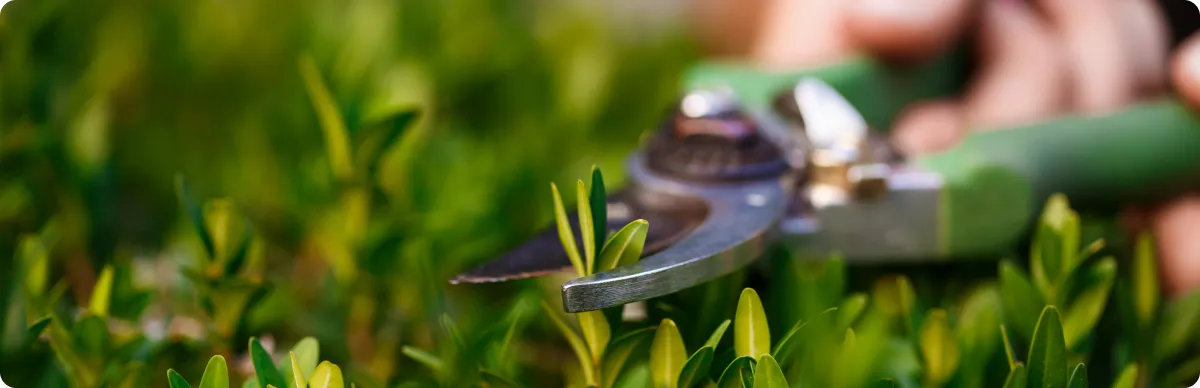
Enhanced Curb Appeal
Weed and Pest Prevention
Healthier Plant Growth
Seasonal Color Management
Professional Expertise
Time and Effort Savings
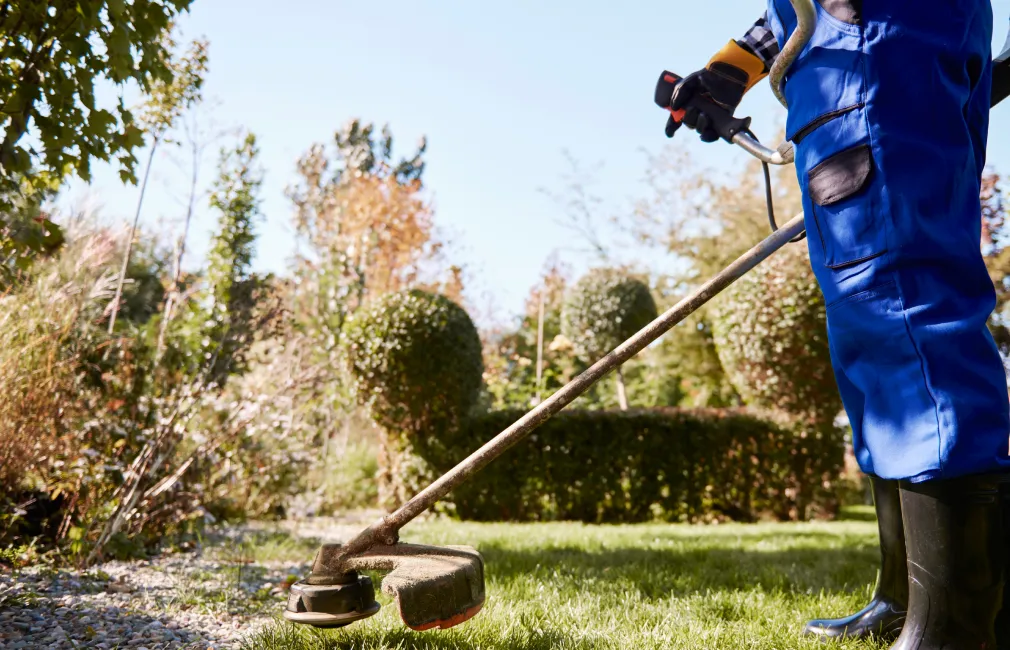
Liberty Flower Bed Maintenance Types

Seasonal Flower Planting
-
Weed Control Services
-
Mulching and Soil Conditioning
-
Pruning and Deadheading
-
Fertilization Programs
-
Pest and Disease Management
-
Edging and Bed Redefining
Our Flower Bed Maintenance Process
Site Evaluation
Weed Removal
Soil Cultivation
Mulching
Plant Health Inspection
Why Choose Liberty Landscape Services
-
Liberty Homeowners Trust Us
-
Expert Lawn Maintenance
-
Reliable Seasonal Cleanup
-
Competitive Pricing
-
Professional Team
-
Satisfaction Guarantee
-
Personalized Service
Soil Series and Drainage Considerations for Flower Beds in Liberty
Liberty’s predominant soils, including the Miamian and Kokomo series, present unique challenges for flower bed maintenance. Miamian soils are well-drained silt loams with a pH typically ranging from 6.0 to 6.8, while Kokomo soils are poorly drained and prone to seasonal saturation, especially in low-lying areas. Proper site assessment using the USDA Web Soil Survey is recommended to determine drainage characteristics and inform amendment strategies. For poorly drained sites, incorporate 2-3 inches of compost tilled to a 6-inch depth and consider raised beds to improve root health. Soil testing through OSU Extension (cost: $15-25) is advised to guide lime or sulfur applications for pH adjustment. Mulching with 2-3 inches of organic material helps retain moisture and suppress weeds, but avoid piling mulch against stems to prevent rot.
Liberty Township Public Works
7162 Liberty Centre Drive, Liberty, OH 45069
Phone: (513) 759-7589
Official Website: Liberty Township Public Works
Seasonal Timing and Weather Guidance for Flower Bed Maintenance in Liberty
Liberty is located in USDA Hardiness Zone 6a, with average last frost dates around April 20 and first frost dates near October 20. Optimal planting for annuals and perennials occurs from April 15 to May 30, when soil temperatures reach 55°F. Mulching and weed control should be completed by early May, while deadheading and pruning are best performed from June through September. Avoid fertilization during peak summer heat (June-August) to reduce plant stress. Monitor local weather forecasts through the National Weather Service Wilmington Office for frost advisories and rainfall patterns. Key timing recommendations include:
- Spring planting: April 15 – May 30
- Mulching: Late April – Early May
- Fall cleanup: October 15 – November 15
- Fertilization: Early May and September
Liberty Township Ordinances and Municipal Coordination for Flower Bed Projects
All flower bed maintenance activities in Liberty must comply with township ordinances regarding equipment operation, debris disposal, and property setbacks. Equipment may be operated:
- Monday-Friday: 7:00 AM – 7:00 PM
- Saturday: 8:00 AM – 6:00 PM
- Sunday and holidays: Prohibited Yard waste collection occurs every Thursday from April through November. Acceptable materials include leaves, grass clippings, and brush under 4 feet, placed in biodegradable bags or 32-gallon containers; plastic bags and branches over 4 inches in diameter are prohibited. For projects near wetlands or protected areas, maintain a 25-foot buffer and consult the zoning office for setback requirements. Permit applications for landscape modifications in regulated zones typically require a $50 fee and a 10-business-day review.
Liberty Township Planning and Zoning
7162 Liberty Centre Drive, Liberty, OH 45069
Phone: (513) 759-7500
Official Website: Liberty Township Planning and Zoning
Environmental Compliance: Stormwater, Buffer Zones, and State Regulations in Liberty
Flower bed maintenance in Liberty must adhere to stormwater management requirements under the Ohio Environmental Protection Act and the township’s MS4 permit, which prohibits yard waste and soil from entering storm drains. Maintain a 25-foot no-disturbance buffer from wetlands and a 50-foot setback from open water bodies. Fertilizer and pesticide applications are restricted within these buffer zones to protect local streams and wetlands. The Clean Water Act also governs runoff, requiring best management practices such as silt fencing for large projects. For guidance on compliance, contact:
Ohio Environmental Protection Agency Butler County Contact
401 East Fifth Street, Dayton, OH 45402
Phone: (937) 285-6357
Official Website: Ohio Environmental Protection Agency Butler County Contact
Plant Selection and Native Species Recommendations for Liberty Flower Beds
Selecting appropriate species for Liberty’s climate and soils enhances flower bed resilience and supports local biodiversity. Recommended native and adapted perennials include:
- Full sun: Black-eyed Susan (Rudbeckia hirta), purple coneflower (Echinacea purpurea), daylily (Hemerocallis spp.)
- Partial shade: Coral bells (Heuchera americana), astilbe (Astilbe spp.), hosta (Hosta spp.)
- Deer resistant: Lavender (Lavandula angustifolia), Russian sage (Perovskia atriplicifolia), salvia (Salvia nemorosa)
- Native pollinator options: Wild bergamot (Monarda fistulosa), Joe Pye weed (Eutrochium purpureum), cardinal flower (Lobelia cardinalis) Plant spacing should be 12-24 inches depending on mature size. For additional guidance, consult OSU Extension or the USDA Plant Hardiness Zone Map.
What Neighborhoods Do We Serve Throughout Liberty, OH?
- Four Bridges: Features newer developments with compacted fill soils and moderate drainage; raised beds and soil amendments are often necessary for optimal plant growth.
- Cherokee Estates: Characterized by mature trees and partial shade, requiring careful plant selection for shade tolerance and deer resistance.
- Carriage Hill: Large lots with proximity to wetlands and conservation areas; strict buffer zone compliance and native species use are emphasized.
- Wynds of Liberty: Suburban area with heavy clay soils and periodic drainage issues; compost incorporation and mulching are recommended.
- Hughes Woods: Noted for sloped lots and potential erosion; terracing and groundcover plantings help stabilize soil and prevent runoff.
- Liberty Grand Villas: HOA-managed community with uniform landscaping standards and regular maintenance schedules; adherence to HOA guidelines is required.
- Willows of Liberty: Located near Millikin Road, this area faces salt exposure from winter road treatments, making salt-tolerant species and spring soil remediation important.